








THE AMELIA BEANIE
Your step-by-step guide to making your masterpiece
Hey there, stitch superstar! You’ve just unlocked the secret sauce to making your very crochet beanie, and we’re excited to be stitching it out with you.
This guide will be your BFF through the entire journey. Whether you’re brand new to crochet or just here for a refresh, we’ll take you from “how do I hold this hook?” to “look what I made!” — one cosy row at a time.
Heads up! You'll need the physical pattern that came with your kit as well as this online guide. The pattern contains the specifics, this guide gives you the extra layer of detail.


INCLUDED IN YOUR KIT


PRACTICE MAKES PERFECT (Or CLOSE ENOUGH!)
Before we dive into the good stuff, let’s warm up those hands and your hook. Think of this like stretching before a workout, except comfier, cuter, and way more fun.
Grab some of the yarn from your kit (just a little, you’ve got enough to spare!), and get familiar with the motions. Try out the stitches you’ll be using in this pattern. This is your time to mess it up, try again, and feel things out — no pressure, no judgement, just you and your new fave hobby.
Bonus: Practising now = fewer headaches later (trust us on this one).
For this practise session we recommend you crochet a flat square - it's the best way to learn the stitches and once you've got that mastered you can move into the pattern and lean the magic ring.
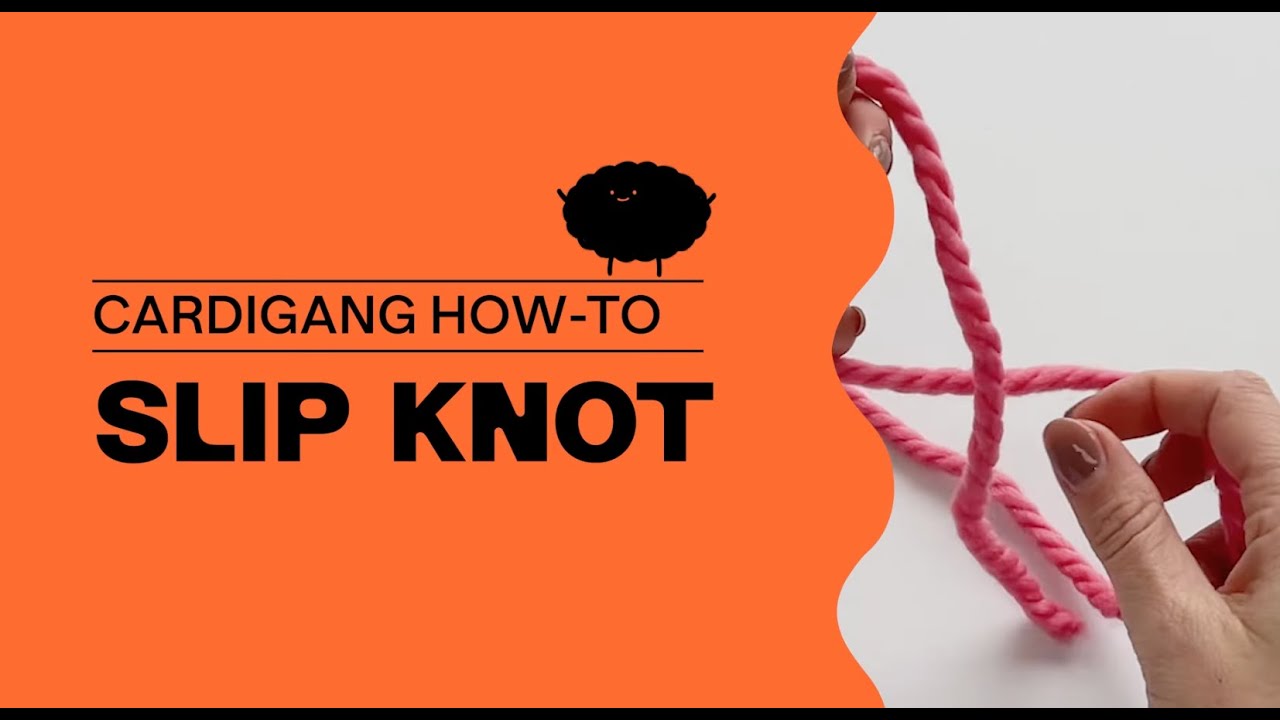
Slip Knot
AKA how to attach your yarn to your hook!
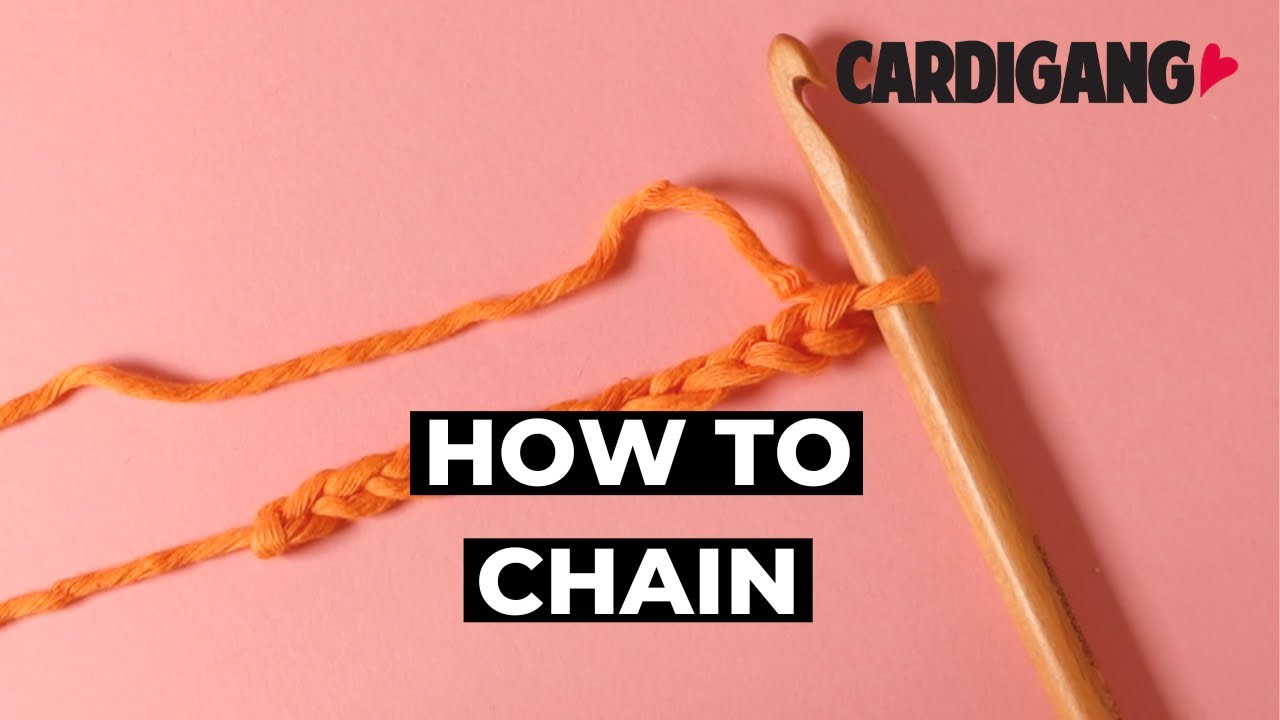
Chain
The foundation chain is the starting point for most crochet projects.
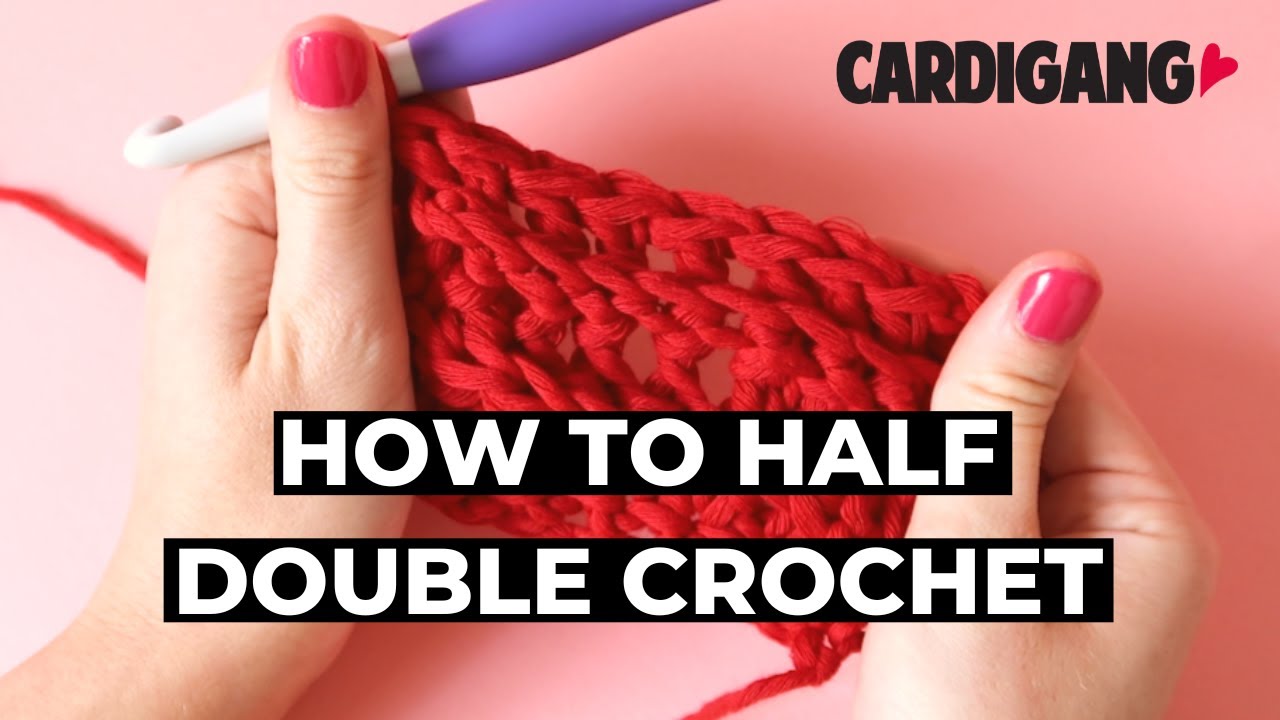
Half Double Crochet
This is the main stitch you'll use in this pattern. Once you've got this, you're ready to start!
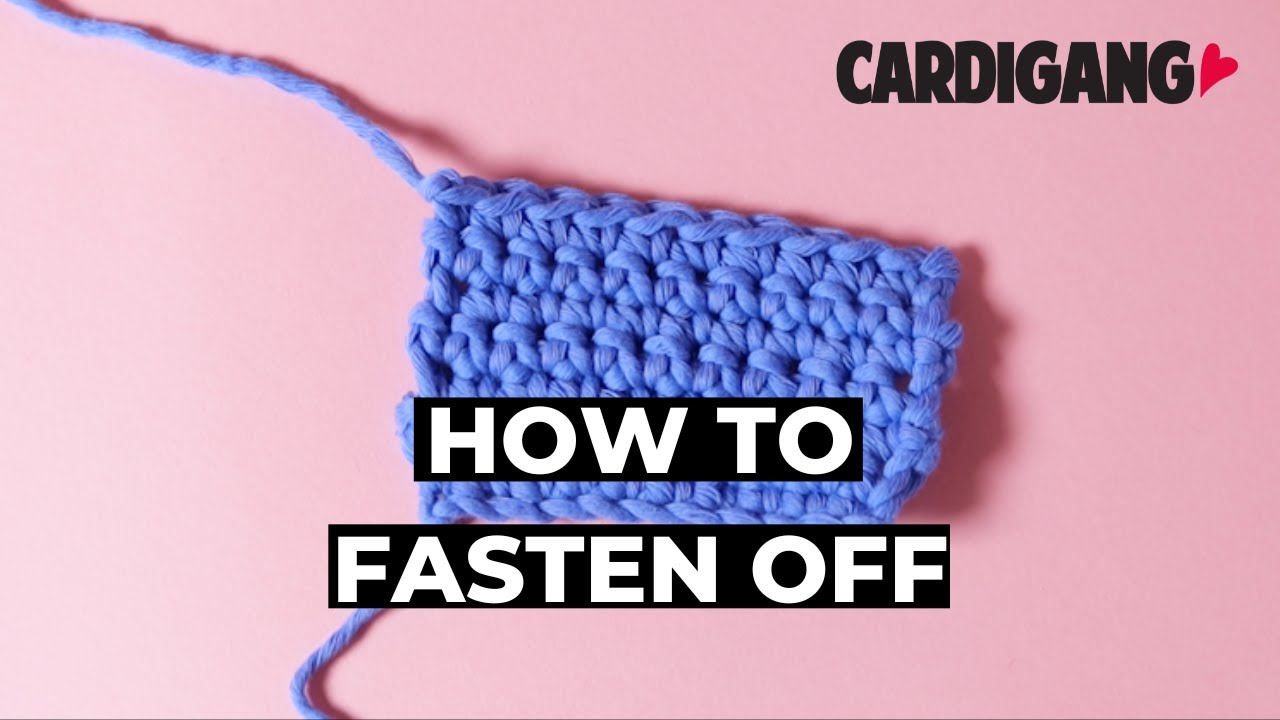
Fasten Off
AKA securing your work at the end of your project.


Repeat after me:
“I solemnly swear to crochet bravely, unpick calmly, and pretend I meant to do that.
I accept that chaos is part of the craft, and possibly part of my personality.
I will finish what I start… eventually.”


TEST YOUR GAUGE
Once you’re feeling comfy with the stitches, it’s time to check your gauge. We know, we know - it sounds technical, but it’s really just about making sure your tension matches the pattern.
Why? Because different stitchers = different stitch tightness. And we want your finished masterpiece to be the size and shape it was intended to be!
So grab your measuring tape, crochet up a little swatch, and let’s make sure you’re on track before the main event begins.
Chain 14 stitches, then do 6 rows of half double crochet. Then, looking at the swatch, measure a 10x10cm square and count your stitches and rows within that space to make sure you're crocheting at the correct tension.
If you've got more stitches or rows than the instructions say you should have, your work is a little too tight, and if you've got less your work is too loose. Adjust your tension by holding the yarn a little more tightly/ loosely as you crochet.
THE AMELIA BEANIE
If done correctly,your 10x10cm swatch should be 8 stitches wide and 5 rows high when made in half double crochet on a 10mm hook.


It's time to dive into our pattern. The Amelia Beanie is perfect for beginners. In fact, we designed her specially for newbies who want an easy-as-pie project. So chunky, so cosy and so your new favourite.
We start by chaining the height of the beanie and then we build out the width in rows to create a flat rectangle which we sew together.
We’ll work only into the back loop (or bar) of our stitches which will give us a ribbed effect, and we’ll change colour every 2 rows.
Using your 10mm hook and colour 1, chain on your foundation chain of 27 stitches.
💭 Try to make your chain stitches as evenly sized as possible. Don't pull the loops too tight because you'll struggle to work into these loops in your first row. On the other hand, if you make your loops too loose, your project will look a little messy.
Once you've chained, you'll move onto the first row of half double crochet stitches.
In this first row you're working into the chain so you'll insert your hook into one of the bars of your chain stitch.
To start insert your hook into the 3rd chain from the hook and do a half double crochet (HDC) stitch. Skipping the first 2 chains gives you the height you need to complete the first row. Then do a HDC into every chain until the end of the row. You'll have 25 stitches after you've completed this row.
Chain 2 to make your turning chain and then turn your work.

Do a HDC into the back loop of your first stitch - the one your turning chain is connected to. Continue to HDC into the back loop of each stitch until you reach the end of the row. Chain 2 and turn your work.

Change to colour 2, then chain 2 and turn your work. Complete another 2 rows of HDC, working into the back loop only. Then change back to colour 1 before making the turning chain at the end of row 4.
Continue working in rows of HDC and changing colour every 2 rows until you’ve finished 24 rows total (i.e. all the circles are ticked off.)
When you finish the last row you won’t need to do a turning chain.
💭 One of the things we found the hardest when we were learning to crochet was keeping track of our rows. Before we were able to easily identify a row of stitches we used a pen and paper to keep track. That's why we've included handy circles in our patterns - you can tick them off as you go.
Okay, let's seam our beanie together. You'll use your crochet hook and slip stitch seam for first and last rows together.
Fold your beanie in half, long ways, then seam the long sides together.

BLOCKING (Optional)
The final step in finishing a piece is to block it. This step is optional and not all beginner crocheters will block their work but it can improve the overall shape and finish of your piece.
Blocking is a process where you wet your piece to set the finished size and even out the stitches.
Soak your piece in cool water. You only need to let your piece sit in the water for a few minutes and make sure the full piece is completely wet.
Remove your piece from the water and dry it off by rolling it in a towel. You want to get us much of the moisture out of it as possible at this point but be gentle! You don't want to stretch the piece.
Transfer your damp piece to a flat surface to block it on. If you've got a blocking mat - great! otherwise a towel will work. The surface needs to be somewhere where your work can lie flat and can stay there until it fully dries so that the shape sets properly. Make sure it's not a surface that can be easily damaged by having something wet sitting on it!
Arrange your piece so the right side is facing up and the shape is as you'd like it. If you've got a measuring tape you can measure and adjust the piece so it's the correct size.
Allow the work to air dry - this can take a few days. You can also use a hair dryer to speed up the process, just use a light heat and don't concentrate the air in one spot.

