







THE LENNY SCARF
Your step-by-step guide to making your very first thing!
Hey there! You downloaded the Lenny Scarf pattern, which means you're either already keen or you're still quietly convincing yourself. Either way, we've got you.
This guide is your companion through the whole process. Whether you've never touched a pair of knitting needles or you just need a refresher, we'll take you from "what even is casting on?" to "I made this with my own hands" — one cosy row at a time.
Your digital pattern has everything you need to make the Lenny. This guide gives you the extra layer of support, the video tutorials, and the reassurance that yes, you're doing it right.


WHAT YOU'LL NEED


Why chunky yarn and 15mm needles?
Good question. The Lenny pattern is written specifically for this combination. Thinner yarn on smaller needles will give you a completely different result — the scarf will come out smaller and tighter than intended. Chunky yarn also makes it much easier to see your stitches, which is a massive help when you're learning. Stick with 200g super chunky and 15mm needles and you'll be on track.
Knitting Glossary
(AKA the Stitch Decoder)
ROW
One line of stitches worked across the needles.
GARTER STITCH
The fancy name for the stitch pattern created when you knit every stitch in every row.
STOCKINETTE STITCH
The name for the stitch pattern created when you knit one row of stitches, then purl the next row of stitches.
GAUGE
The number of stitches and rows within a 10x10cm square. Checking your gauge helps ensure your finished project is the correct size.
PRACTICE MAKES PERFECT (Or CLOSE ENOUGH!)
Before we dive into the good stuff, let’s warm up those hands and needles. Think of this like stretching before a workout, except comfier, cuter, and way more fun.
Grab a small amount of your yarn and get familiar with the motions. Try out the stitches you'll be using in the pattern. This is your time to mess it up, try again, and feel things out — no pressure, no judgement, just you and your new favourite hobby.
Bonus: practising now = fewer headaches later (trust us on this one).
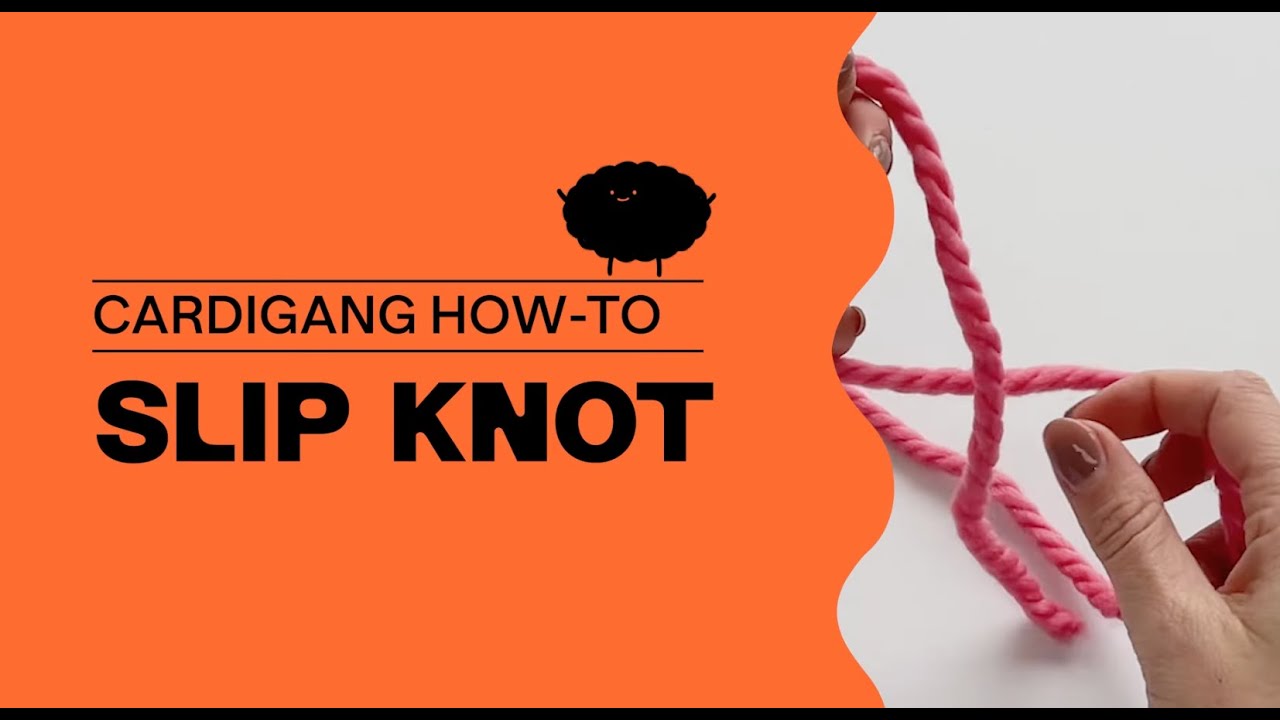
Slip Knot
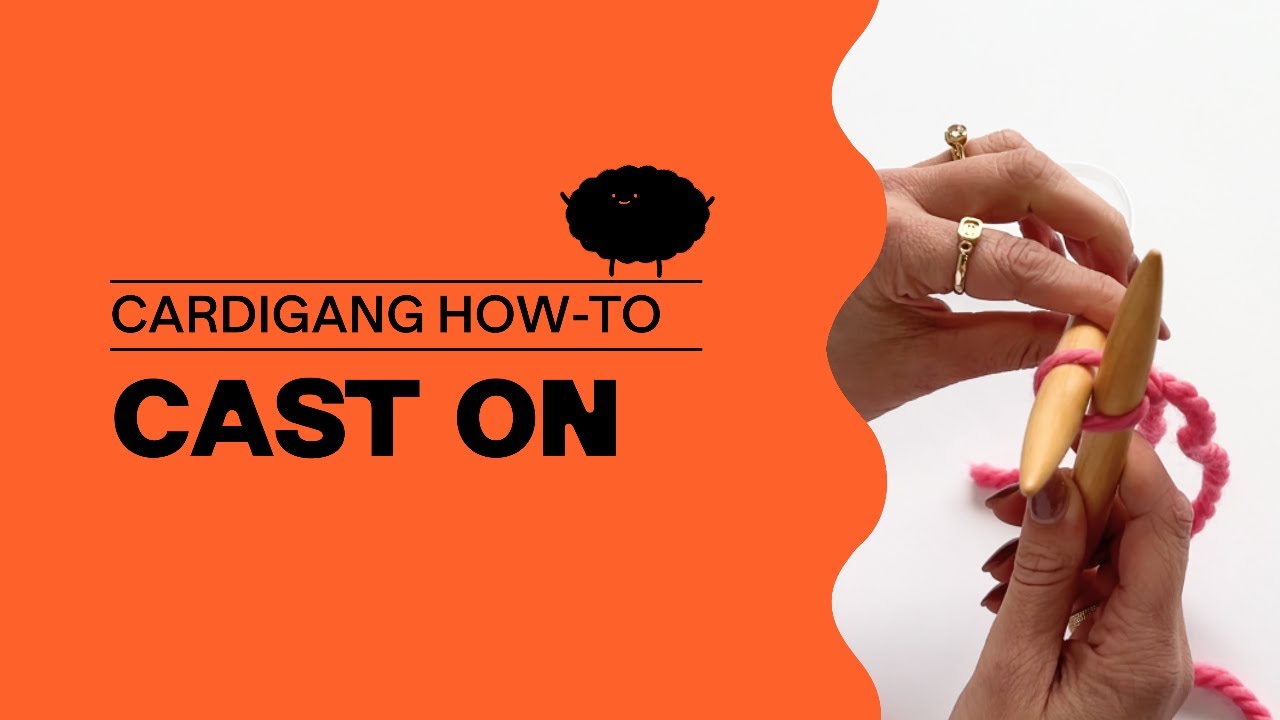
Casting On
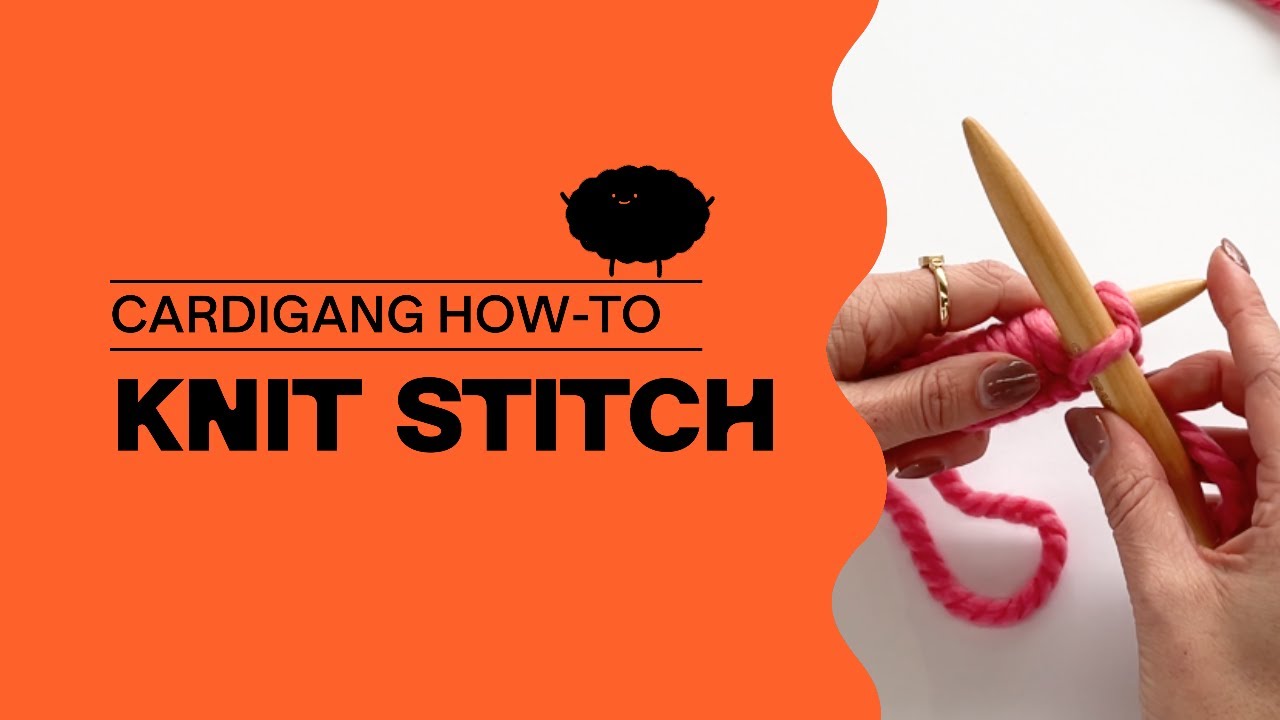
Knit Stitch
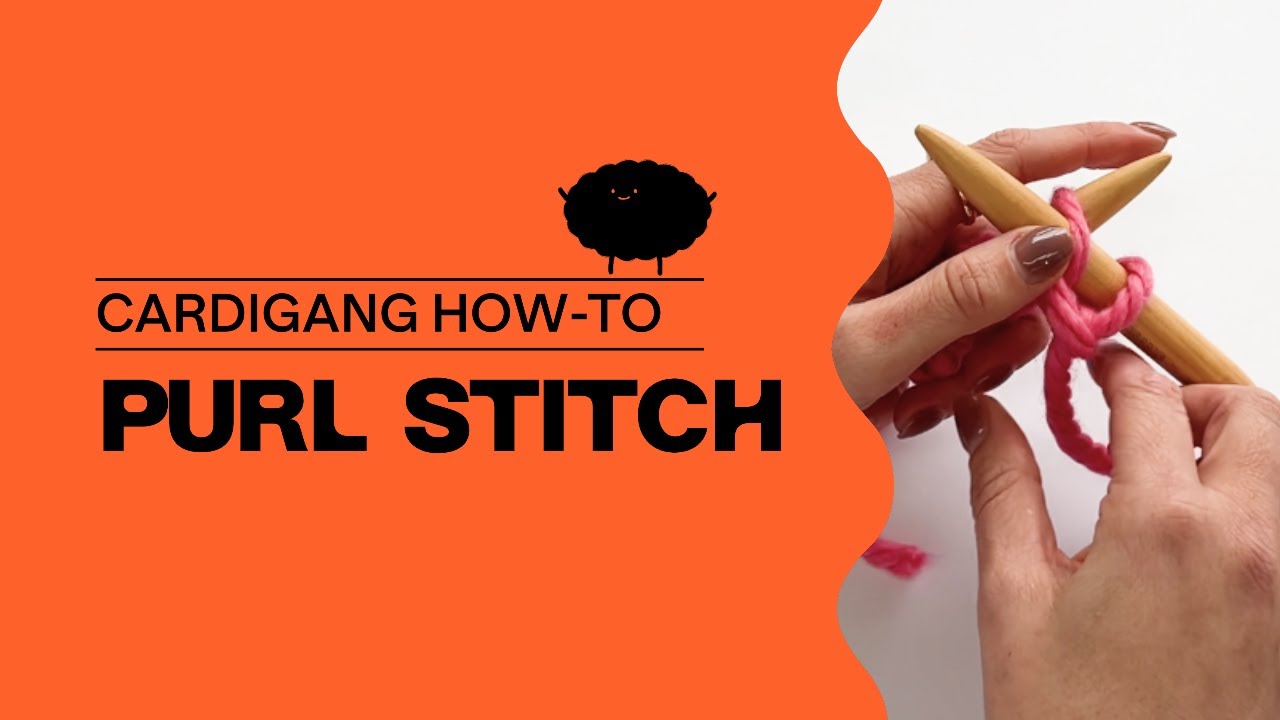
Purl Stitch
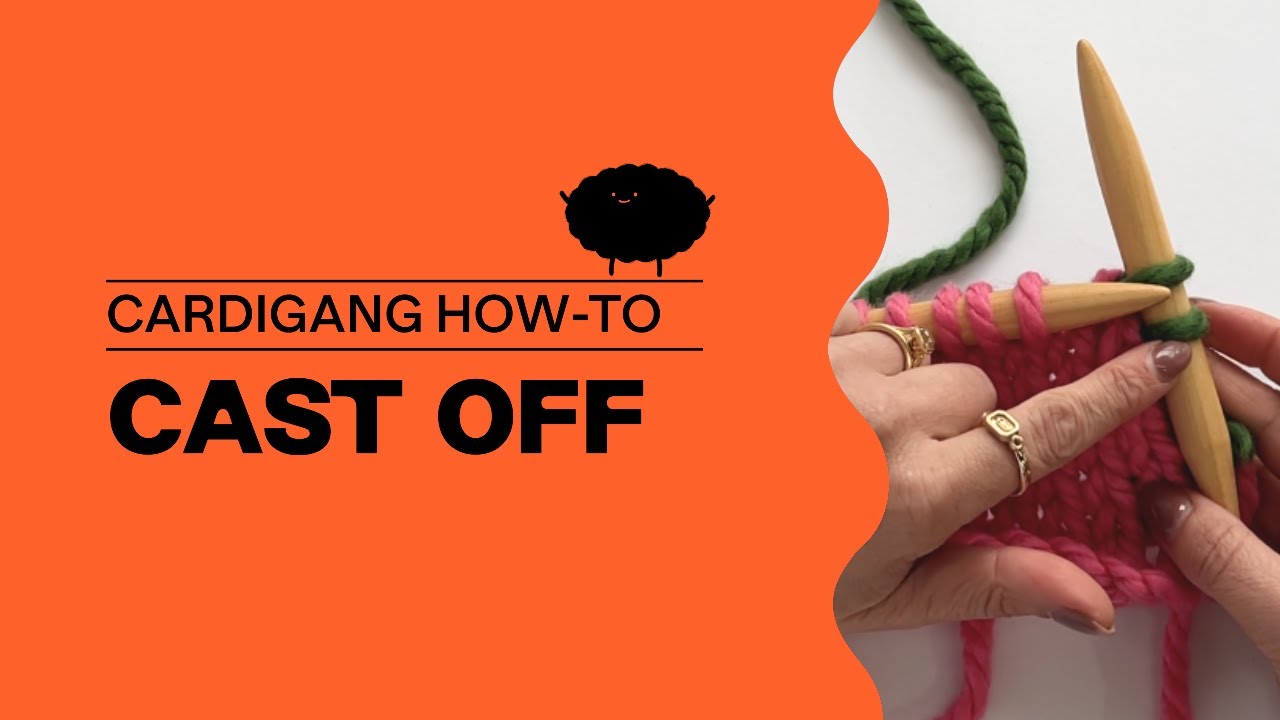
Casting Off

TEST YOUR GAUGE
Once you're feeling comfortable with the stitches, it's time to check your gauge. It sounds like a big deal. It's not. It just means knitting a small square to make sure your tension matches the pattern.
Why? Because different knitters = different stitch tightness. And we want your finished masterpiece to fit like a dream.
So grab your measuring tape, knit up a little swatch (there’s a guide for that at the link below!), and let’s make sure you’re on track before the main event begins.
 How to test your gauge
THE LENNY SCARF
If done correctly, your 10x10cm knitted swatch should measure 7 stitches wide, and 11 rows high when knitted in garter stitch (knit stitch) on your 15mm needles.


Garter Stitch
The fancy name for the stitch pattern created when you knit every stitch in every row. Its reversible (the same on both sides) and the best stitch to begin with.

Stockinette stitch
The stitch pattern created when you alternate rows of knit and purl stitches. The 'front' side is where the 'V's face you. Hot top: When you're knitting, if the V side is facing you, you're up to a knit row.

Rib stitch
Rib stitch is a stretchy stitch pattern made by alternating knit and purl stitches in the same row. It creates those classic vertical “lines” you see on cuffs, beanies, and sweater hems. It's reversible perfect for edges.

Repeat after me:
“I solemnly swear to knit bravely, unpick calmly, and pretend I meant to do that.
I accept that chaos is part of the craft, and possibly part of my personality.
I will finish what I start… eventually.”


The Lenny is our most beginner-friendly pattern. One stitch at a time, one row at a time. You'll be done before you know it.
Using your 15mm needles, cast on the correct number of stitches.
💡 Your piece of knitting will grow as you knit so don't be concerned if after you've cast on the piece doesn't look big enough.
We'll start our scarf in garter stitch. This is where we knit all the stitches every row. Easy!
💭 One of the things we found the hardest when we were learning to knit was keeping track of our rows. Before we were able to easily identify a row of stitches we used a pen and paper to keep track. That's why we've included handy circles in our patterns - you can tick them off as you go.
Great, you've got the hang of garter stitch! Let's introduce the purl stitch into the mix to create a stockinette stitch pattern.
Stockinette is made by alternating rows of knit stitch and purl stitch. So if you haven’t practiced the purl stitch yet, now is the time!
💡 When you put your knitting down, it’s always best to stop at the end of a row, not mid-way through. That way you won’t get confused about what direction you’re knitting in!
Rib stitch is a stretchy knitting pattern made by alternating knit and purl stitches in the same row. It creates those classic vertical “lines” you see on cuffs, beanies, and sweater hems.
The most common version is 1x1 rib:
- knit 1 stitch, purl 1 stitch, repeat.
Another popular one is 2x2 rib:
- knit 2 stitches, purl 2 stitches, repeat.
Give both a try!
💡 The key to executing a rib stitch correctly is to move the tail of your yarn in between the gap between the tips of your needles between each stitch. So the tail is behind for a knit stitch and in front for a purl stitch.
You’ll need to start a new ball when you change colour or when one ball runs out.
We recommend changing colours at the end of a row. To change colour, tie your new yarn in a knot around the tail of your current yarn and slide the knot up to the base of the first stitch on your needle, then start knitting with the new colour.
To join a new ball mid-row, simply leave a 10–15cm tail from the old yarn and begin knitting with the new ball, holding both tails together for a few stitches. Then, drop the old yarn and continue with the new one. You can weave in the ends later to tidy things up - easy as that!
Great work, now it's time to freestyle. You'll knit using a combination of the 3 stitch types you've learned until your scarf is the length you want it - or until you've run out of yarn!
Epic work! Its time to cast off your stitches - AKA get them off your needle.
🔥 When you've got just one stitch left on your right needle, simply cut your yarn from the ball (leaving about 20cm) and thread the loose end back through your last stitch to secure it.

