








THE SADIE SNOOD
Your step-by-step guide to making your masterpiece
Hey there, stitch superstar! You’ve got your knitting kit and you've unlocked the secret sauce to making your very own Sadie Snood, and we’re excited to be stitching it out with you.
This guide will be your BFF through the entire journey. Whether you’re brand new to knitting or just here for a refresh, we’ll take you from “how do I hold these sticks?” to “look what I made!” — one cosy row at a time.
Heads up! You'll need the physical pattern that came in your knit kit as well as this online guide. The pattern contains the specifics, this guide gives you the extra layer of detail.


INCLUDED IN YOUR KIT


PRACTICE MAKES PERFECT (Or CLOSE ENOUGH!)
Before we dive into the good stuff, let’s warm up those hands and needles. Think of this like stretching before a workout, except comfier, cuter, and way more fun.
Grab some of the yarn from your kit (just a little, you’ve got enough to spare!), and get familiar with the motions. Try out the stitches you’ll be using in this pattern. This is your time to mess it up, try again, and feel things out — no pressure, no judgement, just you and your new fave hobby.
Bonus: practising now = fewer headaches later (trust us on this one).
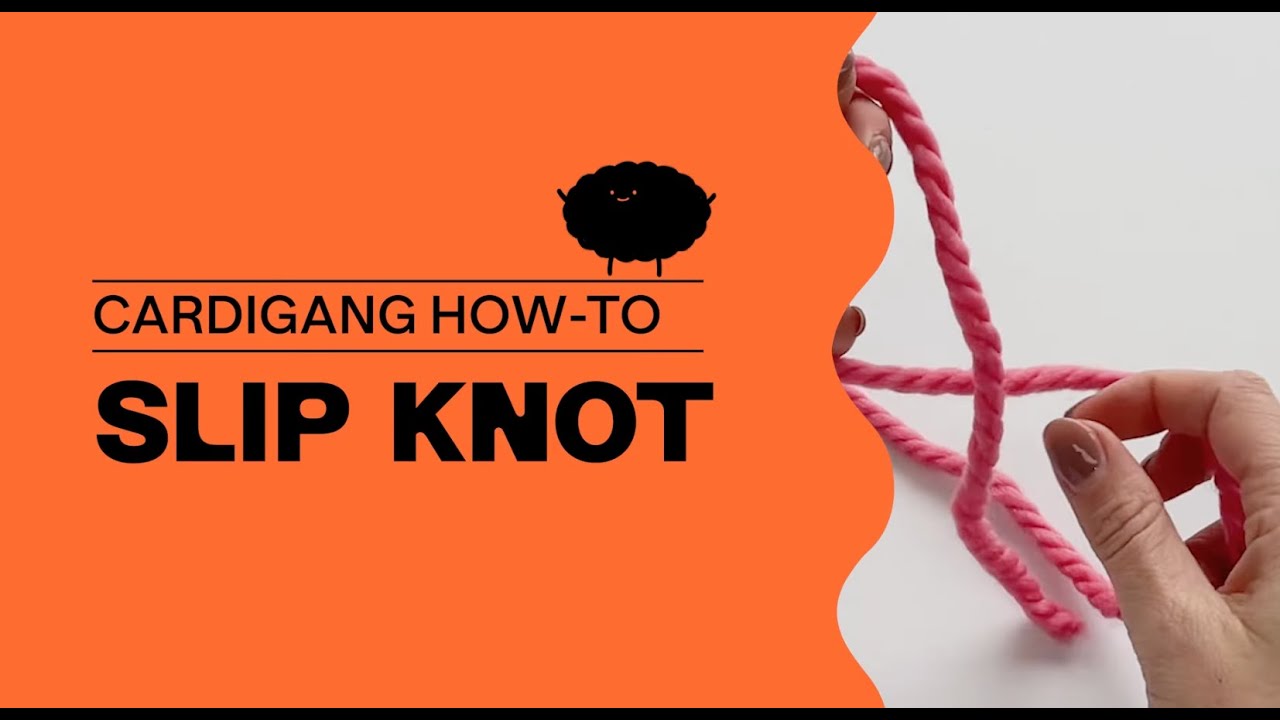
Slip Knot
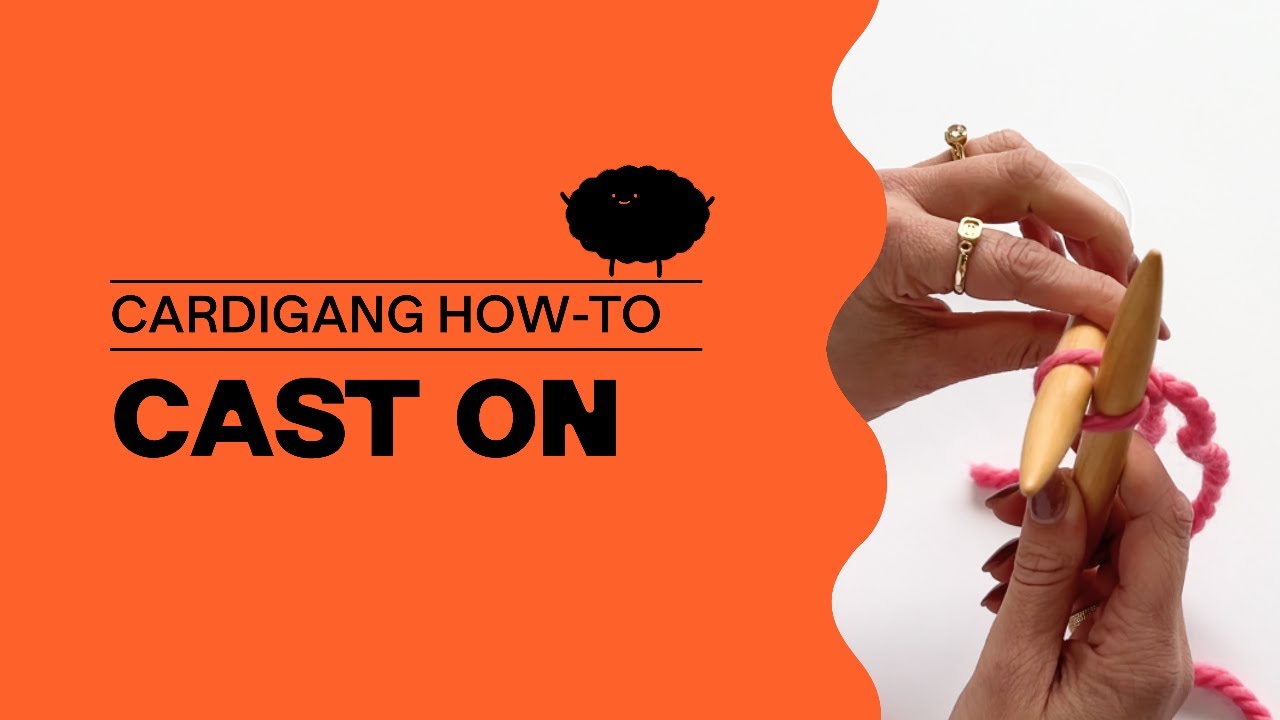
Casting On
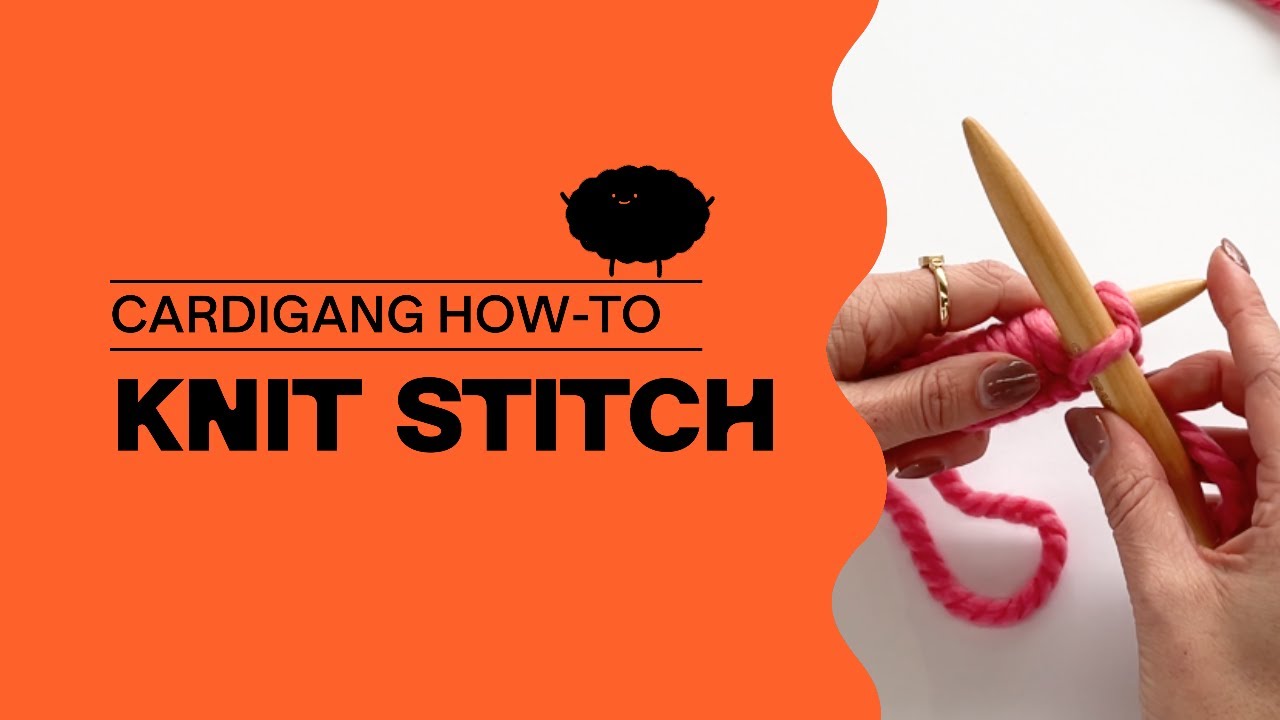
Knit Stitch
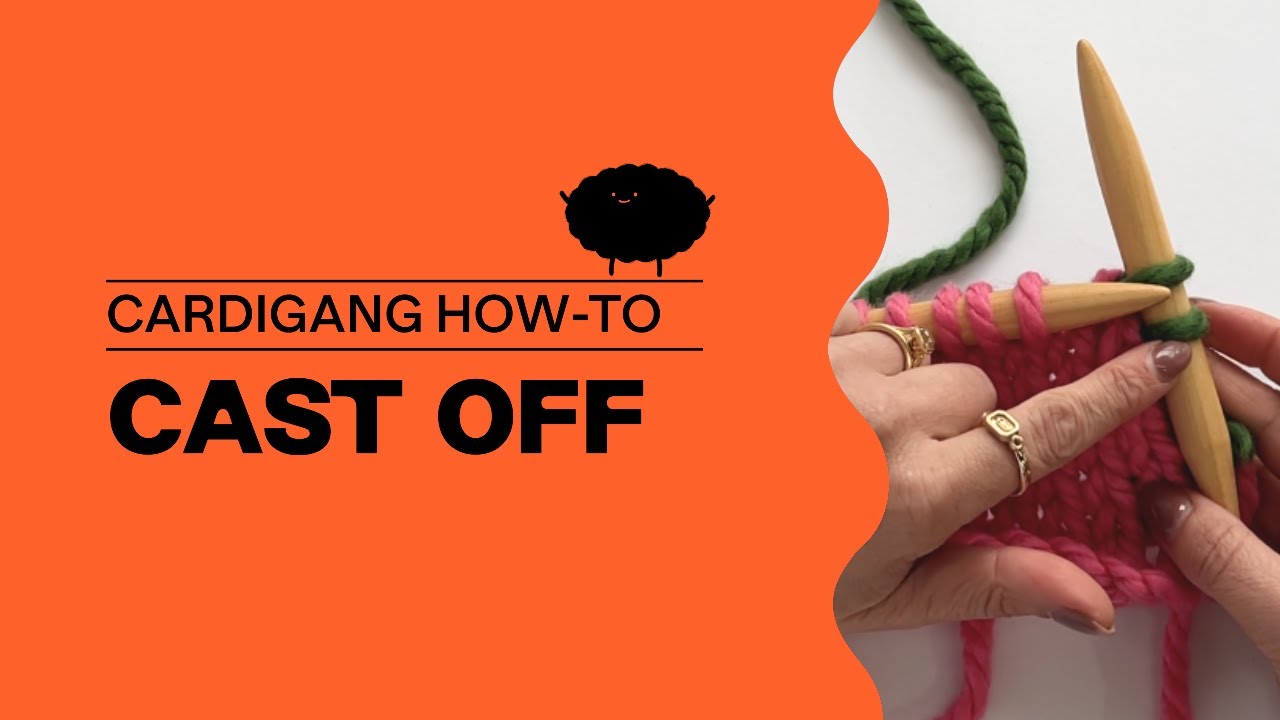
Cast Off

TEST YOUR GAUGE
Once you’re feeling comfy with the stitches, it’s time to check your gauge. We know, we know — it sounds technical, but it’s really just about making sure your tension matches the pattern.
Why? Because different knitters = different stitch tightness. And we want your finished masterpiece to fit like a dream.
So grab your measuring tape, knit up a little swatch (there’s a guide for that at the link below!), and let’s make sure you’re on track before the main event begins.
 How to test your gauge
THE SADIE SNOOD
If done correctly, your 10x10cm knitted swatch should measure 16 stitches wide, and 32 rows high when knitted in garter stitch on your 5mm needles.


Repeat after me:
“I solemnly swear to knit bravely, unpick calmly, and pretend I meant to do that.
I accept that chaos is part of the craft, and possibly part of my personality.
I will finish what I start… eventually.”


Our snood is knitted in garter stitch, which is created when you knit every stitch in every row. We’ll start by knitting a rectangle for the top of the hood, then pick up stitches around three sides to knit the sides of the hood, then we split our work to knit up the scarves.
Using your 5mm needles, cast on the correct number of stitches.
💭 If you're using circular needles your stitches will run down onto the plastic tube connecting your needles. That's totally fine!
💡 Your piece of knitting will grow as you knit so don't be concerned if after you've cast on the piece doesn't look wide enough.
We're going knit in garter stitch - this is where we knit all the stitches in every row. For this step you're creating a rectangle shape which will form the top of your hood.
💭 One of the things we found the hardest when we were learning to knit was keeping track of our rows. Before we were able to easily identify a row of stitches we used a pen and paper to keep track. That's why we've included handy circles in our patterns - you can tick them off as you go.
In this step, we're adding stitches to our needles on either side of the stitches you currently have. By the end of this step, you'll have 94 stitches on your needles.
So first, cut your yarn from the ball. We're going to leave the stitches you've got on our needle. Then with a new piece of yarn, and starting from the bottom right corner of your work, use your right needle to pick up stitches along that right edge of the rectangle (working up the the stitches on your needle).
Then, when you reach the stitches on your left needle, you'll knit those stitches as normal.
Without cutting the yarn this time, we're going to use our right needle to pick up stitches along the left edge, working our way down to the cast on edge.
The video below shows you how to do this.

Knit in garter stitch for the required number of rows to work up the hood.
To keep our edges neat we're going to do an i-cord edge.
To create the i-cord edge you’ll slip the last 3 stitches of every row purl-wise (with your yarn in front). When you start the new row, just knit the slipped stitches as normal (with your yarn at the back).
🧶 When your first ball runs out you’ll start a new one. To do this, simply leave a 10–15cm tail from the old yarn and begin knitting with the new ball, holding both tails together for a few stitches. Then, drop the old yarn and continue with the new one. You can weave in the ends later to tidy things up - easy as that!
You're doing so well! We're now at the point where we're going to split the work in half to knit up the two side scarves.
As we do this, we are maintaining the i-cord edge. So keep that in mind.
Knit 44 stitches, then slip 3 stitches purl-wise. Stop here and turn your work. We're going to work back and forth on this first half of your stitches until the first scarf is complete.
Complete 2 more rows of knit stitch, working just the 47 stitches and slipping the last 3 stitches of the row purl-wise.
In this step we're introducing some decreases into the mix, so that our scarves have a tapered shape to them.
The technique we use for to decrease our stitches is 'slip, slip, knit two together'. There's a video below that shows you how to do this.
You'll alternate rows with the decrease and rows without the decrease.
At the end of this step you'll have 35 stitches.
Time to get your groove on, you're going to knit another 228 rows.
Hot tip: if you don't want to tick every circle off to keep track of your knitting, check back in with the gauge section of this page and familiarise yourself with how to count your rows in garter stitch. Each 'U' and 'n' are a row each so you can count the waves.
Cast off your stitches for the first side. Cut your yarn from the ball and thread the tail through your last stitch to secure it. Let's knit the second scarf.
Let's reattach our yarn to knit the second scarf.
First, locate the stitch closest to the inner edge of the hood. The join yarn by tying a knot to the base of that stitch.
Then knit until you’ve got 3 stitches left, slip 3 stitches purl-wise. Repeat for 2 more rows.
Let's complete a section of decreases now, just like the first scarf.
Because our scarves are mirror images of each other we're going to use a different decrease technique here. This time it's called 'knit two together' (or K2TG).
You'll alternate rows with the decrease and rows without the decrease.
At the end of this step you'll have 35 stitches.
Continue knitting your scarf until it's the same length as the first one.
Cast off your stitches.
🪡 The final thing you'll do is use your darning needle to weave the yarn tails back into your work. This gives you a neat finish.
To do this, thread the darning needle with a tail, then pass the needle through the stitches on the wrong side of your work, following the path of the yarn for 5–10cm. Then change direction and weave back through a few more stitches to help lock it in place. Because seamless projects don’t have seams to hide ends in, try to stay within the structure of the stitches so the tail disappears without creating bulk or showing through to the front. Once it’s secure, trim any excess yarn close to the fabric.
BLOCKING (Optional)
The final step in finishing a knitted piece is to block it. This step is optional and not all beginner knitters will block their work (we don't always 🤣) but it can improve the overall shape and finish of your piece.
Blocking your knitting is a process where you wet your piece to set the finished size and even out the stitches.
You can choose to block your work before you seam it together, or after. If you block before seaming together you might get a better result with your seaming because the stitches will be more lined up.
Jump to the bottom of the page for step-by-step instructions on how to block your knit.

Soak your knit in cool water. You only need to let your piece sit in the water for a few minutes and make sure the full piece is completely wet.
💡 You can also use a spray bottle and spritz the knit with cool water if you'd prefer.
Remove your knit from the water and dry it off by rolling it in a towel. You want to get us much of the moisture out of the knit as possible at this point but be gentle! You don't want to stretch the knit.
Transfer your damp knit to a flat surface to block it on. If you've got a blocking mat - great! otherwise a towel will work. The surface needs to be somewhere where your knit can lie flat and can stay there until it fully dries so that the shape sets properly. Make sure it's not a surface that can be easily damaged by having something wet sitting on it!
Arrange your piece so the right side is facing up and the shape is as you'd like it. If you've got a measuring tape you can measure and adjust the piece so it's the correct size.
Allow the knit to air dry - this can take a few days. You can also use a hair dryer to speed up the process, just use a light heat and don't concentrate the air in one spot.
