









THE TILLY BONNET
Your step-by-step guide to making your masterpiece
Hey there, stitch superstar! You’ve got your knitting kit and you've unlocked the secret sauce to making your very own Tilly Bonnet and we’re excited to be stitching it out with you.
This guide will be your BFF through the entire journey. Whether you’re brand new to knitting or just here for a refresh, we’ll take you from “how do I hold these sticks?” to “look what I made!” — one cosy row at a time.
Heads up! You'll need the physical pattern that came in your knit kit as well as this online guide. The pattern contains the specifics, this guide gives you the extra layer of detail.


INCLUDED IN YOUR KIT


Knitting Glossary
(AKA the Stitch Decoder)
ROW
One line of stitches worked across the needles.
STOCKINETTE STITCH
The name for the stitch pattern created when you knit one row of stitches, then purl the next row of stitches.
GAUGE
The number of stitches and rows within a 10x10cm square. Checking your gauge helps ensure your finished project is the correct size.
PRACTICE MAKES PERFECT (Or CLOSE ENOUGH!)
Before we dive into the good stuff, let’s warm up those hands and needles. Think of this like stretching before a workout, except comfier, cuter, and way more fun.
Grab some of the yarn from your kit (just a little, you’ve got enough to spare!), and get familiar with the motions. Try out the stitches you’ll be using in this pattern. This is your time to mess it up, try again, and feel things out — no pressure, no judgement, just you and your new fave hobby.
Bonus: practising now = fewer headaches later (trust us on this one).
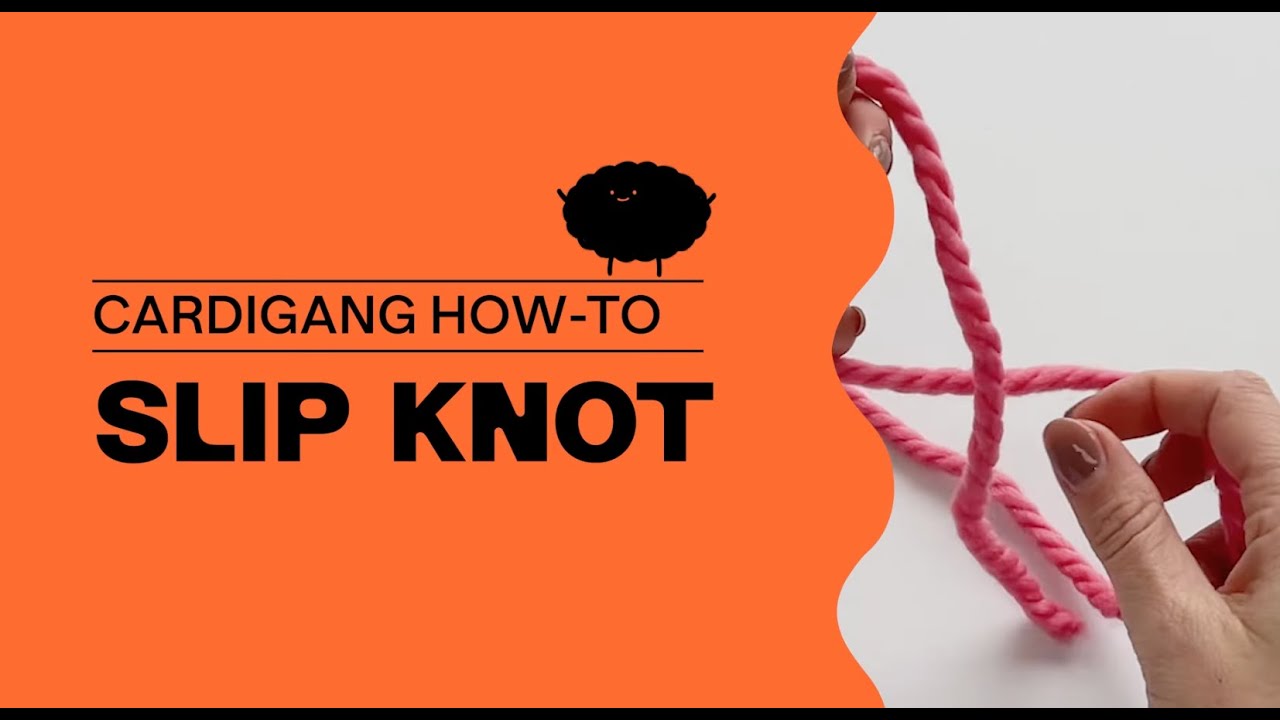
Slip Knot
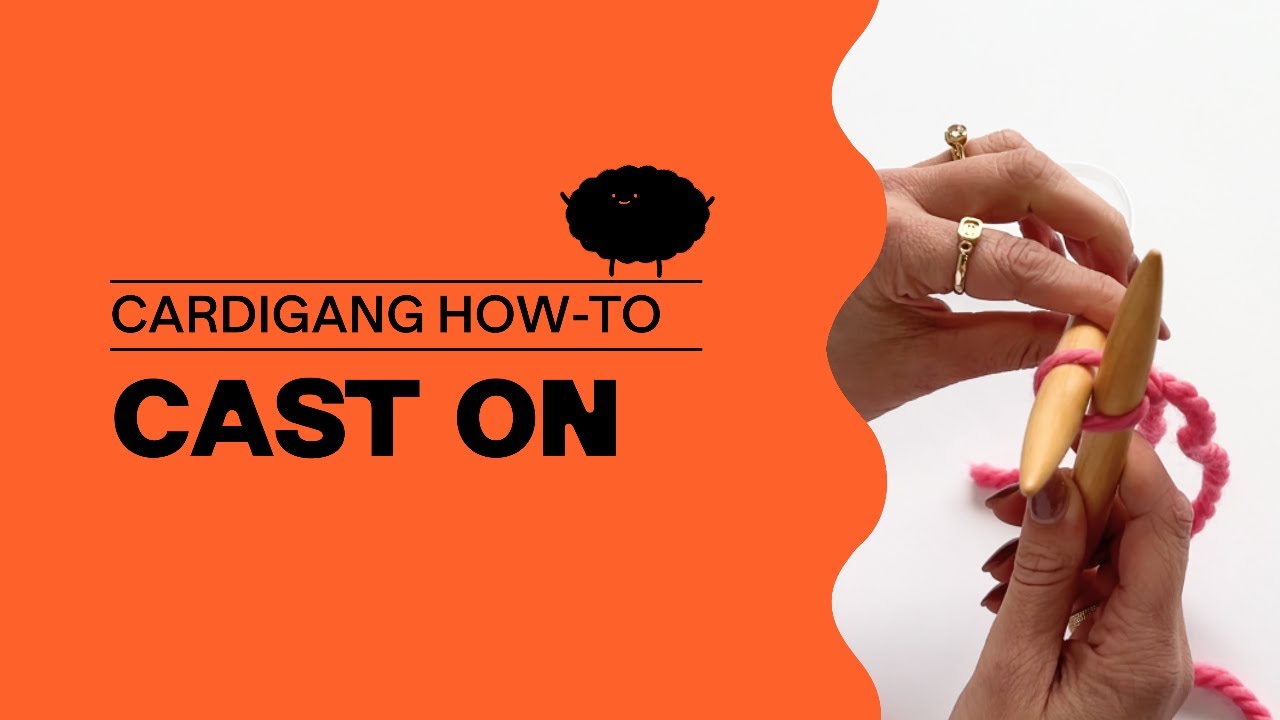
Casting On
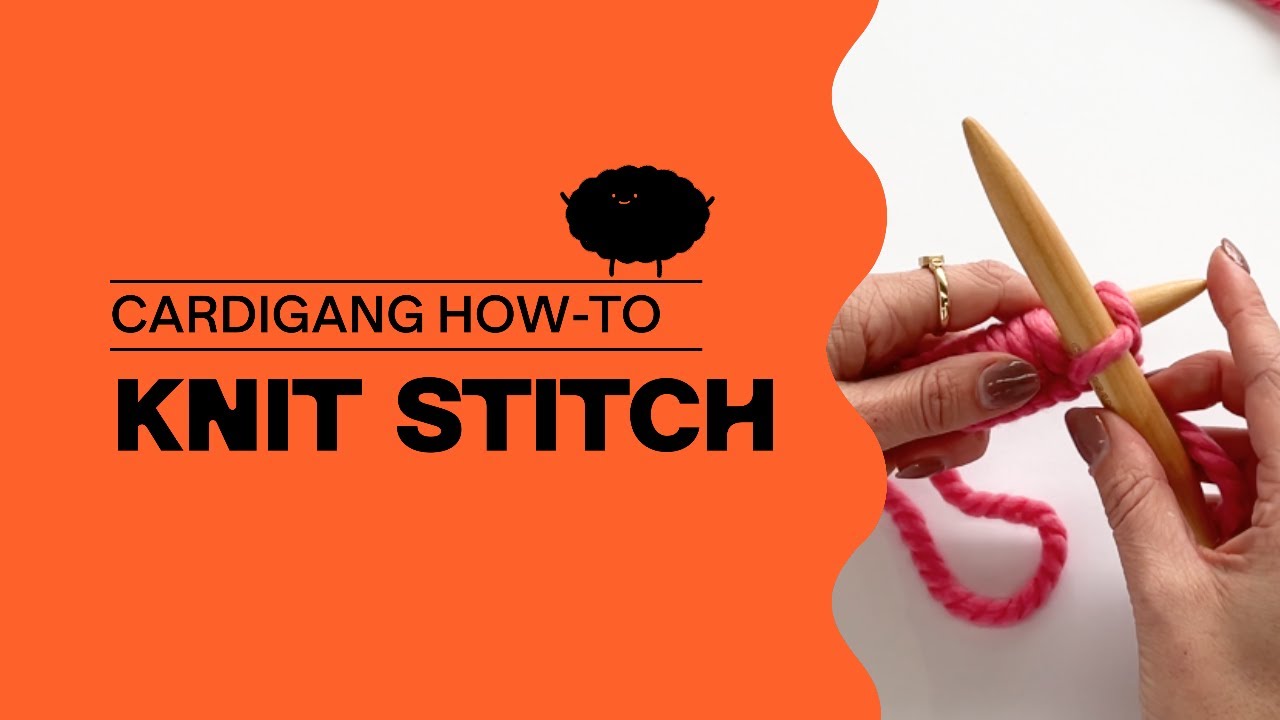
Knit Stitch
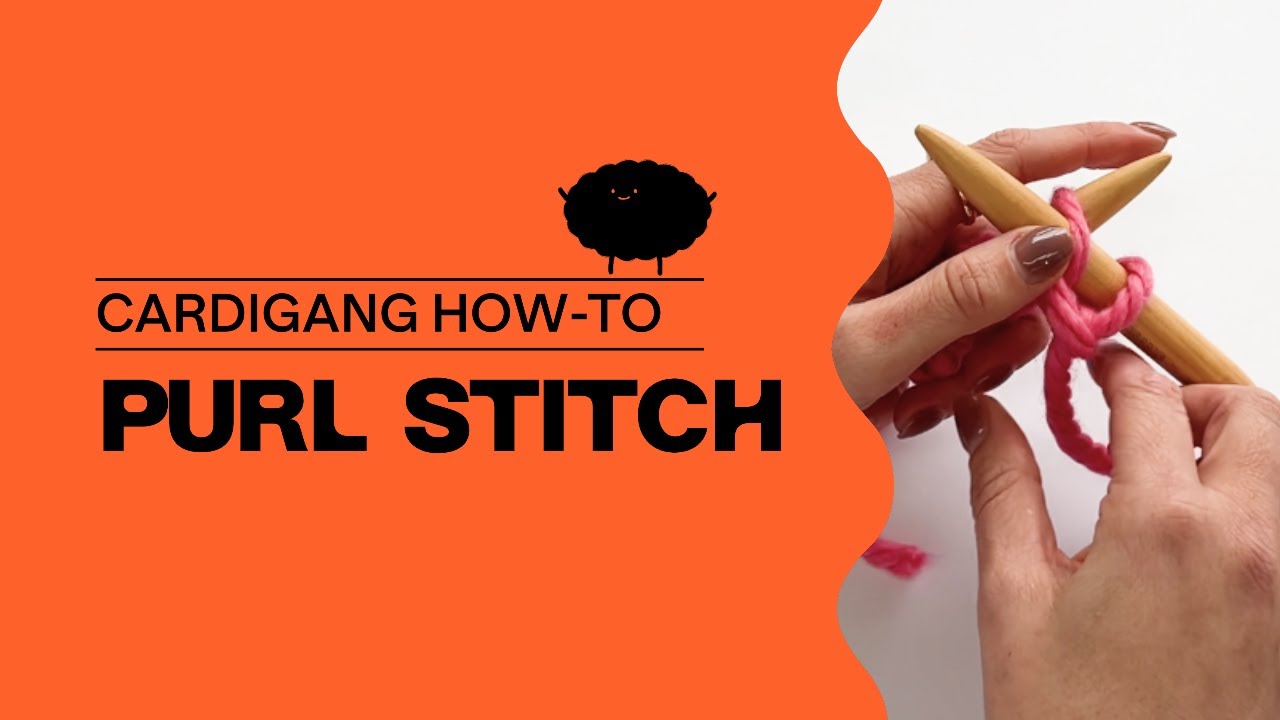
Purl Stitch
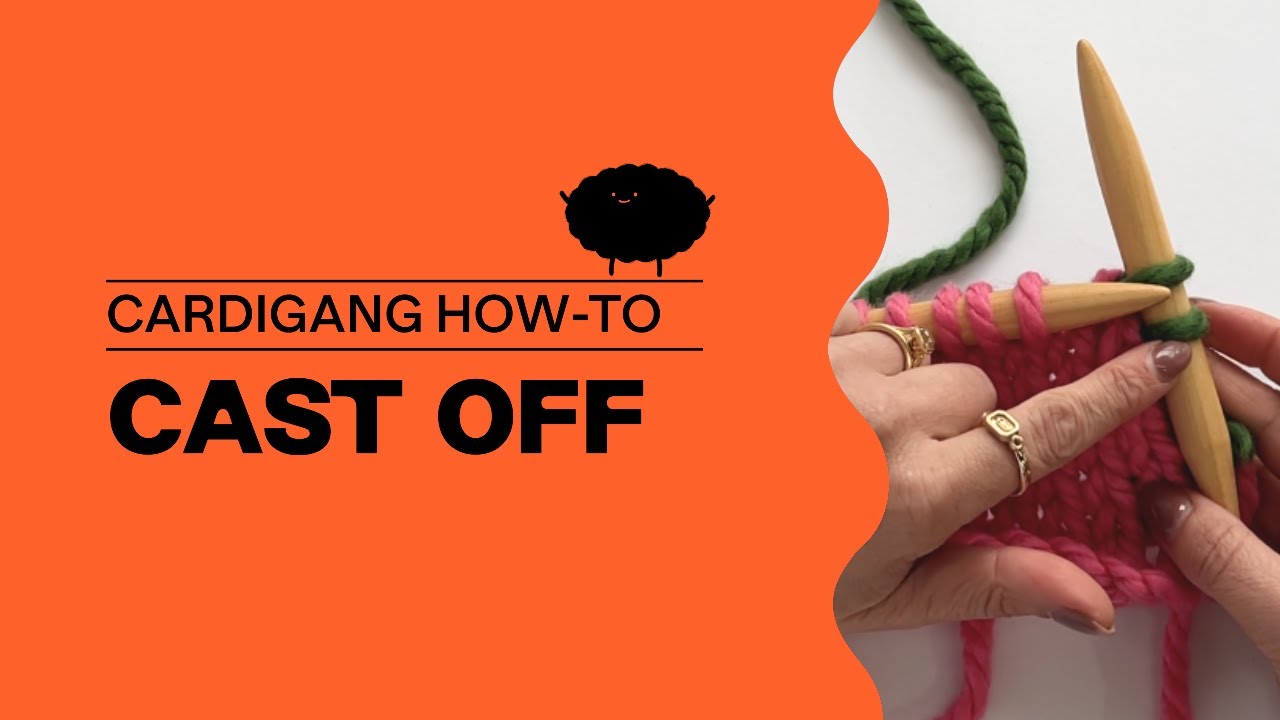
Casting Off

TEST YOUR GAUGE
Once you’re feeling comfy with the stitches, it’s time to check your gauge. We know, we know — it sounds technical, but it’s really just about making sure your tension matches the pattern.
Why? Because different knitters = different stitch tightness. And we want your finished masterpiece to fit like a dream.
So grab your measuring tape, knit up a little swatch (there’s a guide for that at the link below!), and let’s make sure you’re on track before the main event begins.
 How to test your gauge
THE TILLY BONNET
If done correctly, your 10x10cm knitted swatch should measure 16 stitches wide, and 22 rows high when knitted in stockinette stitch on your 5mm needles.


Repeat after me:
“I solemnly swear to knit bravely, unpick calmly, and pretend I meant to do that.
I accept that chaos is part of the craft, and possibly part of my personality.
I will finish what I start… eventually.”


We knit our bonnet in one triangular piece, beginning with three stitches at one tip and increasing to the middle of the piece, then decreasing down to the opposite tip.
We're starting small here! Using your 5mm needles, cast on 3 stitches.
We're going to alternate rows of knit and purl stitches to create our bonnet, with increases happening during the knit rows.
We kick off the first row with 2 increases, turning 3 stitches into 5 stitches.
We're using the Knit Front and Back (KFB) method.
- Knit the stitch as normal, but don’t slide it off the left needle.
- Insert the right needle into the back of the same stitch.
- Knit it again through the back loop.
- Slide the original stitch off the needle.
One stitch has become two stitches.
Purl your 5 stitches.
Use your stitch marker to mark the middle stitch (the 3rd stitch).
Then knit your first stitch. Increase the next stitch, then take your stitch marker off the third stitch, and move it onto your right needle. Then increase the stitch that's just had the marker removed. Knit to the end of the row.
You’ll have 7 stitches on your needle now and your stitch marker will be on your needle in the middle of the work.
Purl stitches.
Repeat the last 2 rows.
When you're on a knit row, you'll knit to within 1 stitch from the marker. Increase the next stitch, move the stitch marker from your left needle to your right then increase the next stitch. Knit to the end of the row.
💭 One of the things we found the hardest when we were learning to knit was keeping track of our rows. Before we were able to easily identify a row of stitches we used a pen and paper to keep track. That's why we've included handy circles in our patterns - you can tick them off as you go.
💡 When you put your knitting down, it’s always best to stop at the end of a row, not mid-way through. That way you won’t get confused about what direction you’re knitting in!
Continue following the pattern and increasing as instructed.
This marks the middle of our bonnet! Nice work. Here you'll knit 4 rows of stockinette stitch without any increases.
Okay, time to do the mirror image and decrease our stitches. You'll use two methods to decrease stitches.
Slip, slip knit two together (SSK) is a left-leaning decrease that turns two stitches into one stitch.
- Insert your right needle into the first stitch as if to knit and slip it from the left needle to the right needle.
- Repeat with the next stitch (slip the second stitch knitwise too).
- Insert the left needle into the front of both slipped stitches from left to right.
- Knit the two stitches together through their back loops.
Knit two together (K2tog) is a little simpler.
- Insert your right needle through the front of the next two stitches at the same time (instead of just one stitch).
- Wrap the yarn around the right needle as if you were knitting normally.
- Pull the loop through both stitches.
- Slide both original stitches off the left needle.
Repeat until you've got 23 stitches on your needle. Make sure you end on a purl row.
Continue following the instructions to decrease your stitches.
The last step is to add the cords to our bonnet. We do these using a method called the i-cord. It's made by knitting 3 stitches over and over again, but the technique is a little different and it creates a tube instead of a flat piece of knitting.
STEP 1: First, pick up 3 stitches from the front left corner of your bonnet. Knit all three stitches as normal but at the end of this row, don't turn your work.
STEP 2: Without flipping your needles around, slide the three stitches back onto your left needle, so that the stitch attached to the ball is the furthest stitch away from the end of your needle.
STEP 3: Bring the working yarn tightly across the back of the stitches. This is what closes the tube. Don’t strangle the stitches, just do a confident tug.
STEP 4: Knit the 3 stitches again.
STEP 5: Repeat the process of knitting 3, sliding the stitches back, pull the yarn snug.
After a few rows, you’ll see a little round cord forming instead of a flat piece. That’s your i-cord. You’re doing it right.
Continue until your cord is 27cm long.
To finish, cut the yarn and thread the tail through the 3 stitches and pull tight to secure. Repeat for the second cord.

