







HOW TO HUB
Your exclusive one-stop-shop for knitting and crochet know-how.
Welcome to your Cardigang learning hub.
If you’ve landed here, chances are you’ve just opened one of our knitting or crochet kits and are wondering what happens next.
Good news: you’re exactly where you need to be.
This guide is designed specifically for people who have a Cardigang kit on the way or already in their hands. It will walk you through the core techniques used in our patterns, link you to our tutorials, and help you troubleshoot if things get a little tangled along the way.
Grab your yarn, your sticks (or hook), and let’s get into it.
👉 You've also got access to a dedicated page with tutorials and step-by-step support specific to your project. Follow the QR code in your pattern for those instructions.


Knitting Glossary
CAST ON
The process of creating the first stitches on your needle so you can begin knitting.
ROW
One line of stitches worked across the needles.
ROUND
A row worked in a circle when knitting in the round.
GARTER STITCH
The fancy name for the stitch pattern created when you knit every stitch in every row.
STOCKINETTE STITCH
The name for the stitch pattern created when you knit one row of stitches, then purl the next row of stitches.
RIB STITCH
A stretchy stitch pattern created by alternating knit and purl stitches. Commonly used for cuffs and necklines because it holds its shape.
INCREASE / DECREASE
Adding stitches to your knitting to make it wider, or reducing the number of stitches on your needle to shape your project.
CAST OFF
Also called binding off. This is how you finish your knitting so the stitches don’t unravel.
GAUGE
The number of stitches and rows within a 10x10cm square. Checking your gauge helps ensure your finished project is the correct size.
CROCHET Glossary
CHAIN
The foundation of most crochet projects. Chains create the starting row and are used within patterns to create space or structure.
YARN OVER
Wrapping the yarn over the hook before pulling it through a stitch.
SLIP STITCH
A very small stitch used to join rounds, move across stitches, or finish sections of a pattern.
SINGLE CROCHET
One of the most basic crochet stitches. Insert the hook into the stitch, yarn over, pull through, yarn over again and pull through both loops.
HALF DOUBLE CROCHET
A medium-height stitch that sits between single and double crochet. It creates a slightly taller and softer fabric. Yarn over, then insert the hook into the stitch, yarn over, pull through, yarn over pull through all three loops.
DOUBLE CROCHET
A common crochet stitch that creates a taller, more open fabric than single crochet. Yarn over, insert your hook into the stitch, yarn over pull through, yarn over pull through two loops, yarn over pull through last two loops.
GAUGE
The number of stitches and rows within a 10x10cm square. Checking your gauge helps ensure your finished project is the correct size.
LET'S LOOK AT YOUR TOOLS
At the heart of knitting and crochet are two very simple tools: knitting needles and crochet hooks. Knitting uses a pair of needles to create loops of yarn that build your fabric stitch by stitch, while crochet uses a single hook to pull yarn through loops and form stitches. They might look a little unfamiliar at first, but they’re surprisingly easy to get the hang of. Your Cardigang kit includes the right size tools for your project, so you can dive straight in. Once you’ve done a few rows, using your needles or hook will start to feel completely natural.

KNITTING NEEDLES

CROCHET HOOK
STITCH TYPES 101
Before you dive into patterns, it helps to understand the basic stitch patterns you’ll be working with. These stitches are the building blocks of knitting and crochet, and once you know how they work, you’ll start to recognise them everywhere. Below are some of the most common stitches used in Cardigang projects, along with a quick look at what they create and how they behave.
KNITTING STITCH TYPES

CASTING ON

GARTER STITCH

STOCKINETTE STITCH

RIB STITCH
CROCHET STITCH TYPES

CHAIN

SINGLE CROCHET

HALF DOUBLE CROCHET

DOUBLE CROCHET
VIDEO TUTORIALS
Every Cardigang kit includes links to step-by-step video tutorials that walk you through the techniques used in your pattern.
Below is our video library with videos on all the basics stitches, use this as a reference and your on-demand teacher. For more videos, head to our YouTube channel.
KNITTING TUTORIALS
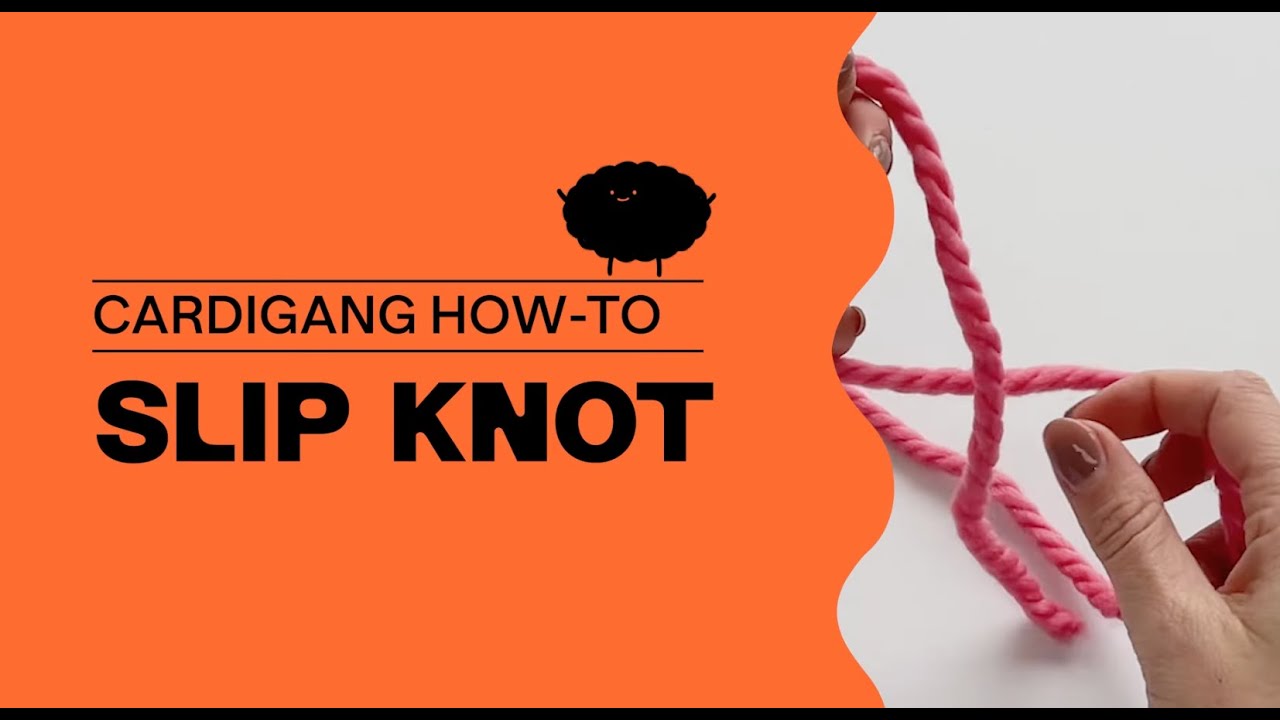
Slip Knot
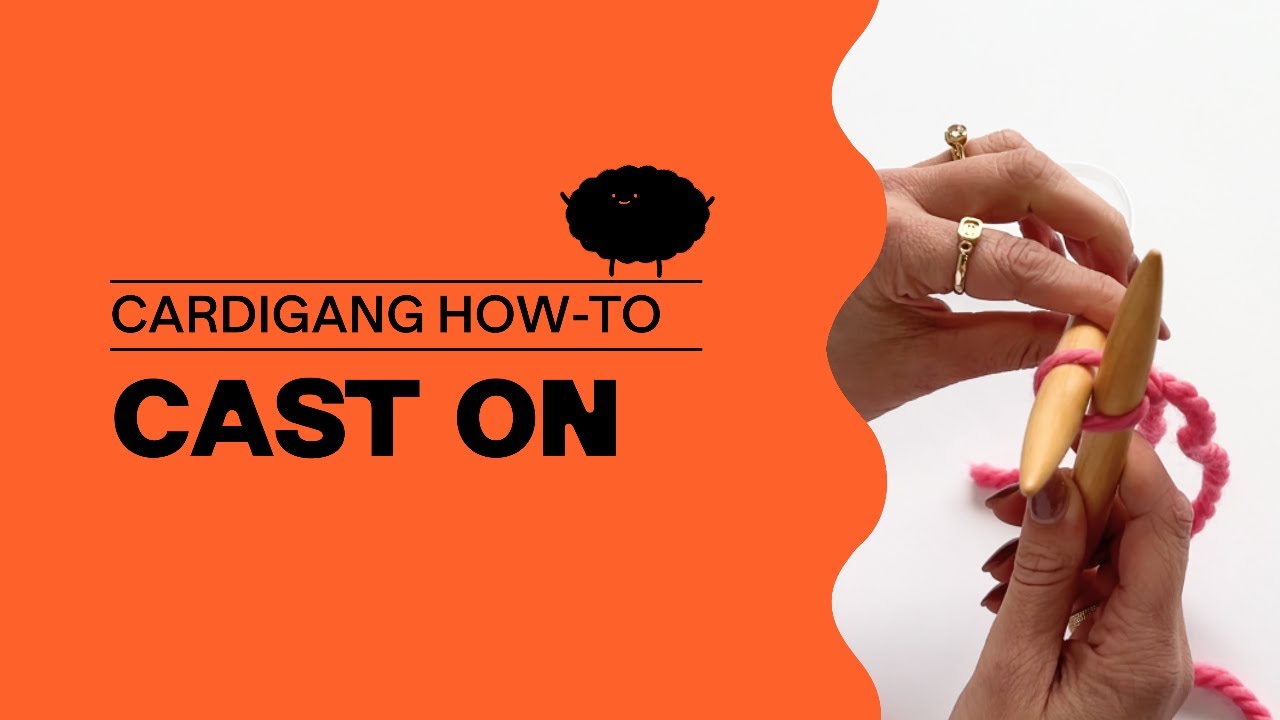
Casting On
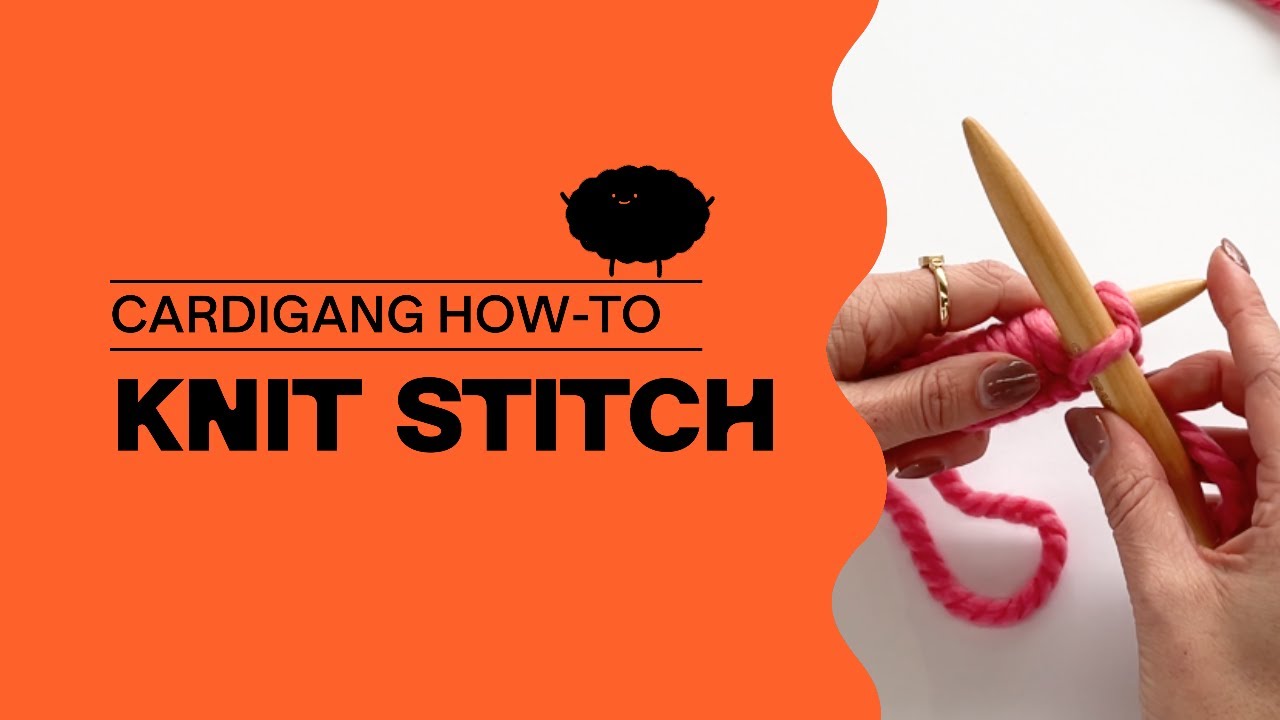
Knit Stitch
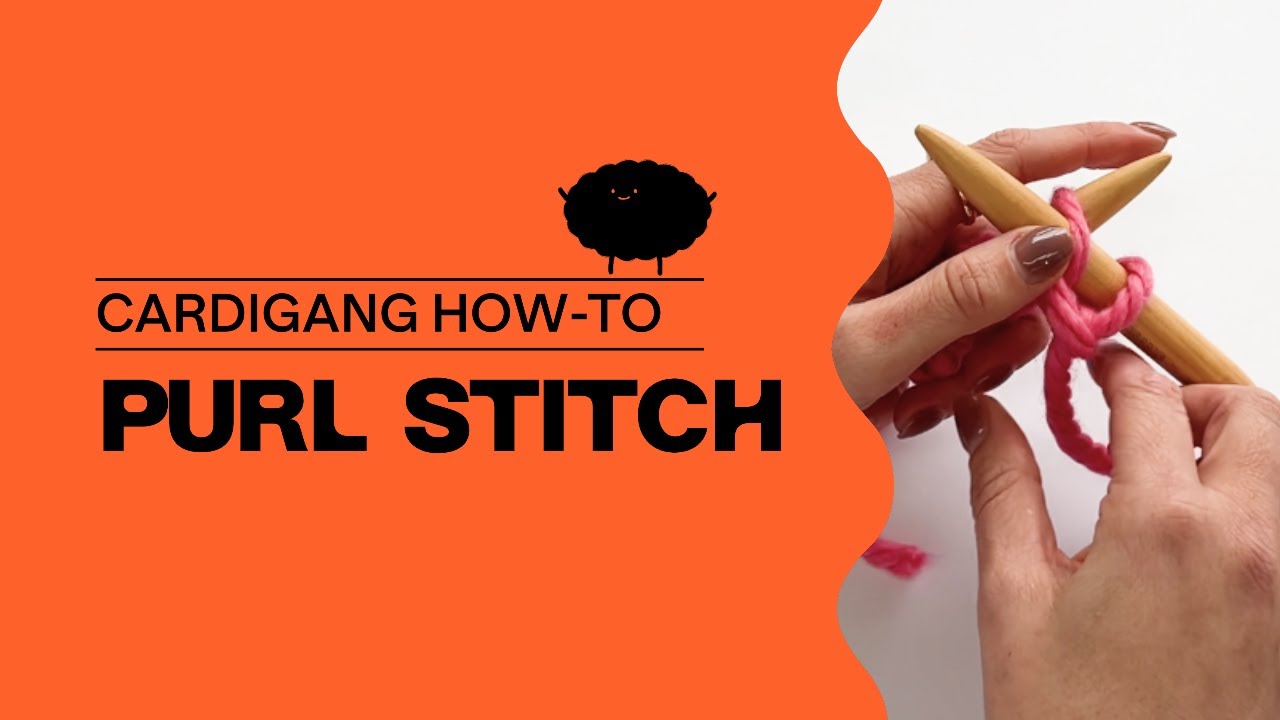
Purl Stitch
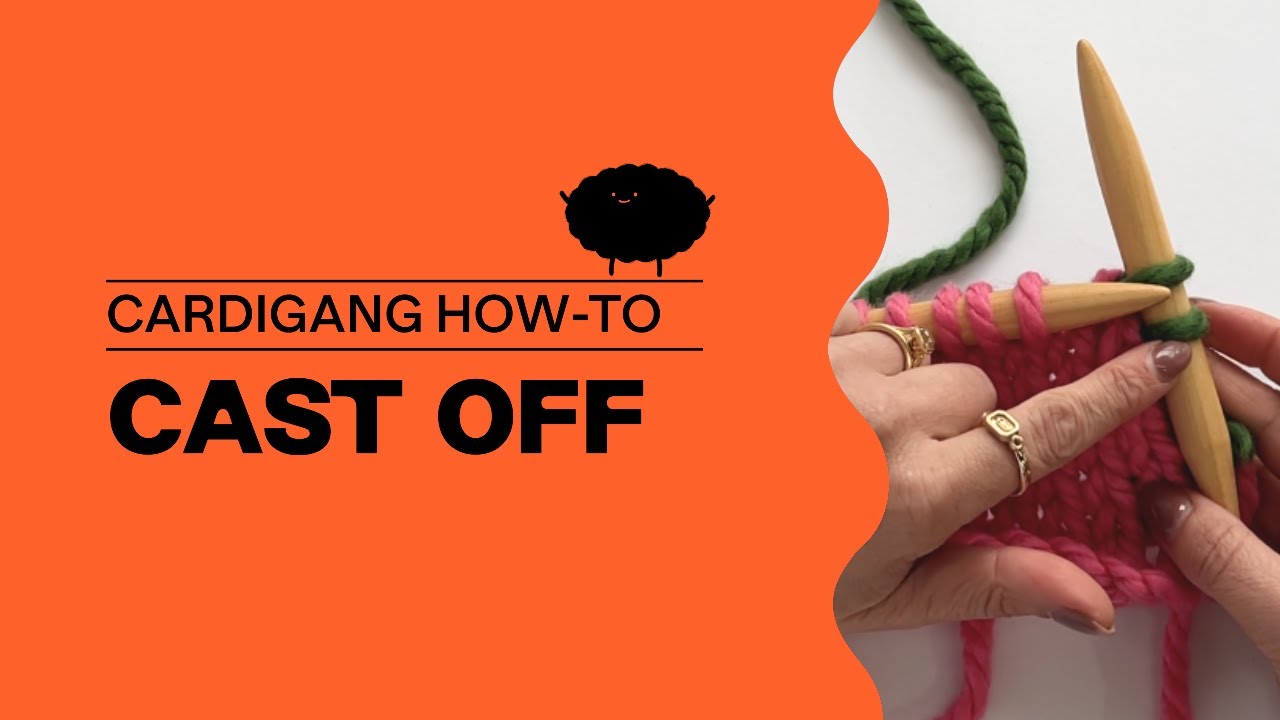
Casting Off
CROCHET TUTORIALS
Slip Knot
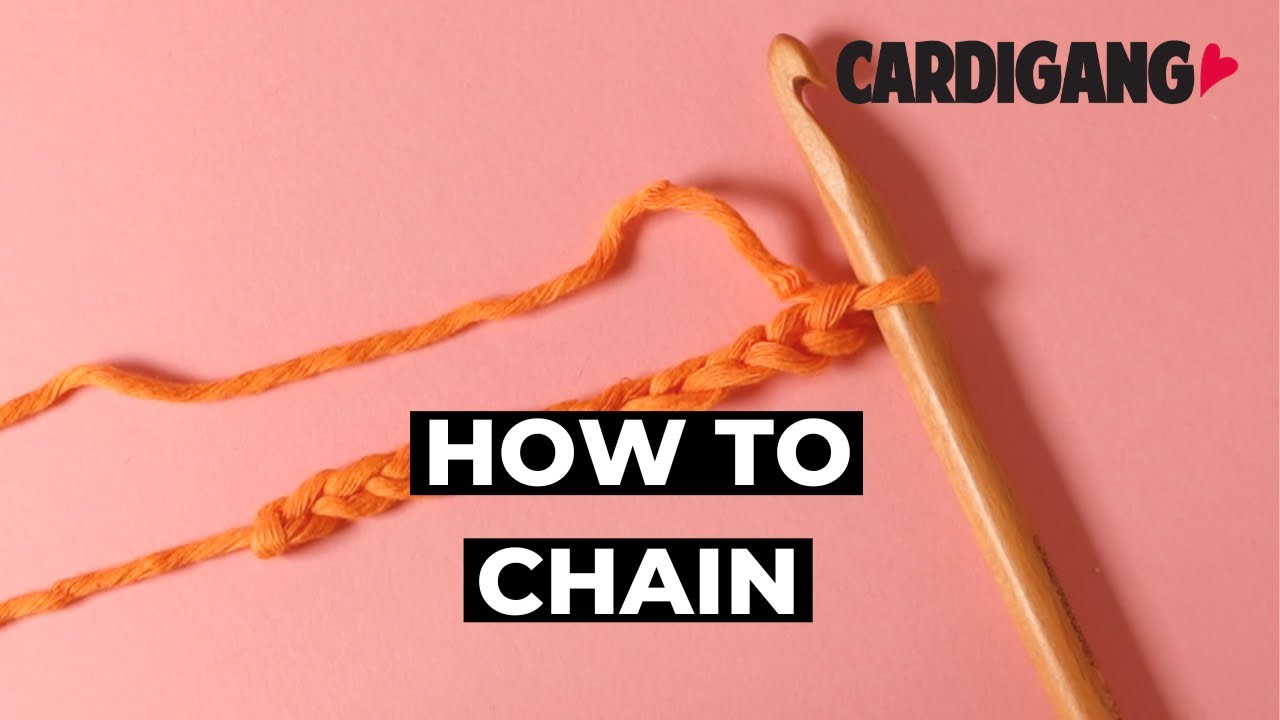
Chain Stitch
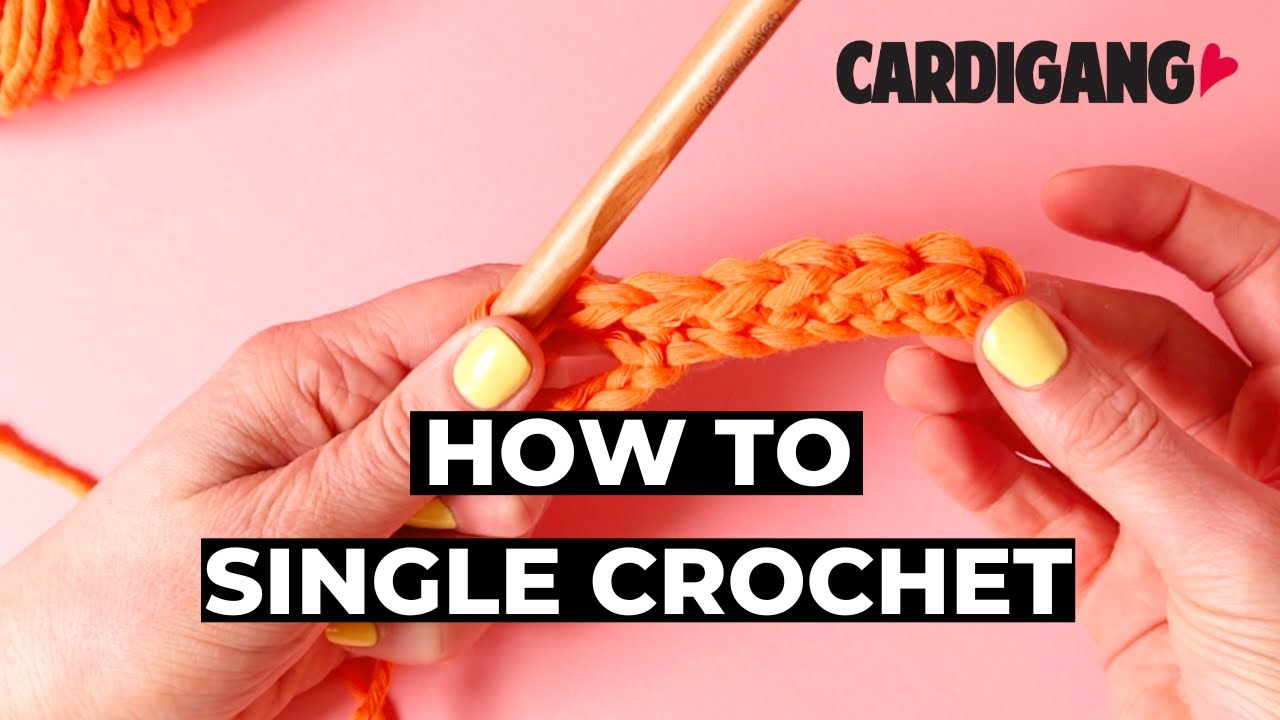
Single Crochet
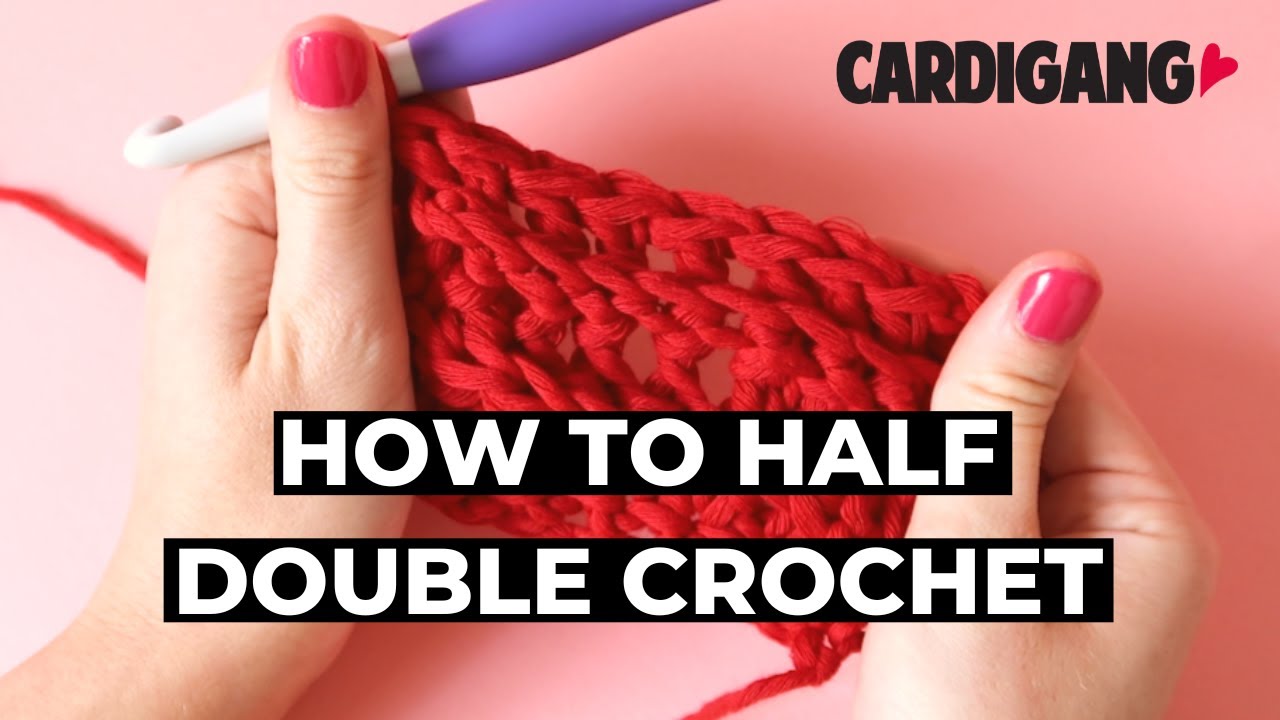
Half Double Crochet
Double Crochet
TROUBLESHOOTING
Even the best of us drop a stitch or two! Here are some quick fixes for common knitting and crochet hiccups:

CARING FOR YOUR MASTERPIECE
WASHING
- Before you go in for the full wash, consider if you can spot-clean first.
- Wash in cool water with a wool detergent.
- Roll in a clean towel to remove excess water and dry flat out of direct sunlight.
GROOMING
- It's normal for your woollen pieces to shed or pill (aka get a bit bally).
- This is due to the delicate nature of the woollen fibres and tends to happen in places where your knit is coming into contact or rubbing against another surface or on itself - like under the arms.
- To get rid of the balls, we recommend you use your fingers and gently remove them from the garment. Work in the one direction and don't overdo it!
- You can also use an electric depillar (electric fabric shaver) to groom your knit, just make sure you're gentle.
- You can also pat your kit (just with your hands) to help bond the fibres and reduce future shedding and pilling.
BLOCKING
- Blocking your knitted or crocheted piece is optional and not all beginners will block their work but it can improve the overall shape and finish of your piece and can help it to last longer.
- Blocking your work is a process where you wet your piece to set the finished size and even out the stitches.
- You can choose to block your work before you seam it together, or after. if you block before seaming together you might get a better result with your seaming because the stitches will be more lined up.
STORAGE
- It's best to fold your handmade pieces and store them somewhere where they can remain flat, rather than hanging them.
- Folding them helps them to keep their shape over time. A drawer or shelf in the wardrobe out of direct sunlight is great.
- If you can store them in a sealable cotton bag that's even better because moths can't get through cotton!
Learning to knit or crochet can feel a little confusing at first, but stick with it.
Soon you’ll look down at your project and realise something pretty great:
You made it.
And once you finish your first piece, the next project suddenly feels very tempting.
Welcome to the Cardigang.
